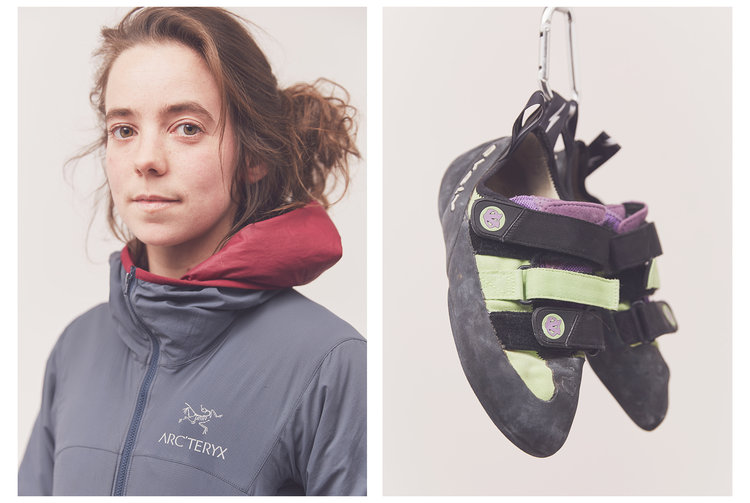
(photo from Lisa Bennett)
I updated some thoughts I wrote back in 2016 since the latest WCS. Have a read below if you’re interested.
Why a Women’s Climbing Symposium. 2016 – 2019
Climbing speaks to those interested in the outdoors, in environmental connection, in pure movement, in competition, in trad, sport, bouldering, speed. With the huge recent growth of indoor climbing walls, we need to make sure the atmosphere we train in is a positive one which promotes healthy connections, a healthy body image and representation which advocates for a welcoming and inclusive sport environment. Listening to and celebrating women is essential in order to do this.
As is relevant for any person of any ethnic background, race, gender, sexual orientation, disability, class background, to have inclusion in sports and public role models we identify with can help us feel more welcome to begin a physical activity. More welcome to feel good about ourselves, up for learning more about our bodies whatever our particular skills or body may be. Events like the Women’s Climbing Symposium promotes this by highlighting all women in sports, celebrating achievements and creating support networks, holding space for women to get together.
These events not only highlight the talented women in climbing and their incredible achievements, but also the issues women particularly might face or feel relating to climbing or sports traditionally seen as a male dominated. Providing a safe space to discuss certain issues is empowering, especially for certain issues which may not be brought up or which may be easily dismissed in a mixed environment. It allows for a voice to be heard which otherwise may be silenced or dismissed and is important for all groups who may need such a space to raise issues together safely which are pertinent for them.
Just being in a room full of psyched strong women is also simply a powerful feeling! My climbing and confidence has benefited hugely merely from being there the last few years, despite not having time to take part in any physical workshops as I was busy teaching myself.

The headline talks are always incredibly inspiring, particularly listening to paraclimber Anoushe Husain’s story of resilience and achievements in 2016 and Beth Rodden’s personal journey through difficulty and mental health following trauma in 2018. Interestingly, all of the speakers at both of the Women’s Climbing Symposiums I’ve been to, make a point of thanking their support network around them and are celebratory of other male and female athletes around them. I found this particularly inspiring and humble, particularly when you realise how talented the people speaking themselves are. I’m not sure I often hear a male athlete taking the time to thank his female support network publicly.
The perception of women in sports or in general is changing, albeit forever slowly. There are an increasing number of articles about women in climbing magazines which I can relate to more strongly, and campaigns such as This Girl Can are inspiring. Strong and capable is now seen as ‘sexy’ which is great, but there’s a long way to go…
Why should we be sexy all the time, anytime, can we not just be strong? Women are often still forced into behaving like ‘one of the guys’ to fit in at the crag, and are celebrated for being tough and strong, with vulnerability and emotions still seen as weak – for both men and women this is problematic and a turning point is needed.
When I was young I was always named a ‘tomboy’. I didn’t mind at all, I probably liked it. However now in hindsight it’s a shame I wasn’t just ‘a girl’ nothing ‘boyish’ or whatever about it. I’m often the only girl working at the wall, though less and less. It’s often assumed at the crag that my male partner is ‘dragging’ me out for a climb, people speak to him not me, I have to watch myself to force myself to take charge of ropework and not let him do it all. I increasingly crave another female friend to climb with and notice how climbing with other women is so empowering, rather than feeling intimidated or competitive with other women climbers I meet which is often (sadly) what I’ve felt in the past. The Women’s Climbing Symposium is helping me to realise this.
When I was young I wasn’t at all good at sports, I always felt too small, apart from when swimming. Funnily enough somehow I’ve made physical movement my work and in climbing I find inspiration and a strong place for women and what they bring to the sport. Maybe it’s about finding ‘the right’ sport of way of moving which speaks to you, whether it’s walking, dancing, yoga, boxing, climbing, snowboarding, circus, whatver works for you. I once heard someone tell her daughter ‘no that’s not for you only your brother can try’, when she wanted to have a go at throwing a ball in a science physics workshop. This type of expectation for women and societal ‘norms’ creep in to our subconscious whether we like it or not. It’s a battle for us all to be aware of when not judging others or ourselves and the roles we find ourselves in. A battle to believe in ourselves in order to enjoy sport and physical activity in our lives, whatever that may be.
Whether it’s creating a ladies night at the bouldering wall, calling someone out when they say ‘hey climb it like a man’ or any other male dominated words which mean ‘give it your best’ or ‘have courage’, asking for more articles about women in your sport in a particular magazine, getting involved in local outdoor clubs or writing to a clothing brand to explain that no we don’t want zips on our nipples or we’d like orange, yellow, green outdoor clothing too please and maybe some men would like the pink and purple ones. All these things are important, and are all things we can do individually or support a larger organisation or event to do.
In the creation of a healthy, more equal and inclusive society, an equal sporting environment is one small thing. Any involvement in creating more inclusive and supportive atmospheres in sport and climbing like the Women’s Climbing Symposium I think could have a larger long term effect on our larger society than we perhaps realise.
In continuing to put ALL women’s issues at the forefront of how we shape our sport, the better we listen to and highlight issues faced by women of colour, trans women, gay women, female para climbers, women from all financial backgrounds, the better we become as a climbing community.
The more we listen to each other’s stories and experiences, the more we can break down barriers to accessing the outdoors and sports such as climbing. The better we understand access issues, the more people can be involved, the more developed the sport can become.
As Sasha Digiulian wrote ‘self esteem…(i)s the pre-requiste to gender equality’, and I truly believe that the sense of empowerment and welcome-ness created by this sort of symposium is a step towards that. I hope that all female-identifying people of all backgrounds feel welcome to attend any Women’s Climbing Symposiums in the future as they certainly were on the day this year. The more we can create safe spaces and spread awareness of the different issues faced by climbers of all genders, and of all backgrounds, the more open and accessible climbing can become.
Thank you so much again for inviting me to get involved in the day. And to everyone involved, a massive well done.